Table of Contents
Meta Title: How to Tell If a Vintage Designer Bag Is Real | Vintage Reverie Meta Description: Learn how to authenticate a vintage designer bag like an expert. From stitching to serial numbers, our guide covers Chanel, Fendi, Louis Vuitton & more — so you never fall for a fake. URL Slug: /blog/how-to-authenticate-a-vintage-designer-bag Focus Keyphrase: how to authenticate a vintage designer bag Secondary Keywords: how to spot a fake louis vuitton, vintage chanel bag serial number guide, vintage vs pre-owned designer bags difference Word Count: ~950 words
You’ve found her. A 1990s Chanel Classic Flap in black lambskin, sitting pretty on a resale listing, priced just low enough to make your heart race and just high enough to seem legitimate. She’s gorgeous. She’s calling your name. But before you hand over your hard-earned euros — how do you know she’s real?
Learning how to authenticate a vintage designer bag isn’t just a nice skill to have. It’s the difference between owning a piece of fashion history and owning a very expensive disappointment. Whether you’re eyeing a Fendi Baguette from 1997 or a Louis Vuitton Speedy from the early 2000s, the fakes have gotten disturbingly good — but they still can’t get everything right.
Here’s what to look for, brand by brand, so you can shop with confidence and never second-guess a purchase again.
The Stitching Never Lies
This is the single most reliable tell across every designer house, and it’s where most counterfeits fall apart — sometimes literally.
Authentic vintage designer bags use even, consistent, slightly slanted stitching with thread that matches the leather or canvas precisely. The stitch count per inch is uniform. There are no loose threads, no uneven gaps, no places where the needle clearly wandered off course.
Fakes? They rush. The stitching is often straight where it should be angled, uneven where it should be meticulous, and made with thread that’s almost the right colour but not quite. Hold the bag under natural light and run your finger along the seams. If anything feels bumpy, irregular, or rushed — trust your instincts.
Pro tip: On a genuine Chanel Classic Flap, the diamond quilting stitches align perfectly at every seam junction. If the quilting pattern breaks where two panels meet, that’s a red flag the size of the Eiffel Tower.
Hardware Tells a Story
The zippers, clasps, chains, and logo plates on a vintage designer bag are miniature works of engineering — and they’re incredibly difficult to replicate convincingly.
What to check:
- Weight. Authentic hardware has a satisfying heft. If the clasp feels hollow or tinny, something’s off.
- Engraving. Brand stamps on hardware should be clean, crisp, and evenly pressed — not painted on, not wobbly, not too deep or too shallow.
- Colour consistency. Gold-tone hardware on a real bag maintains a uniform colour across every metal element. Fakes often have slight colour variations between the zipper pull and the logo plate.
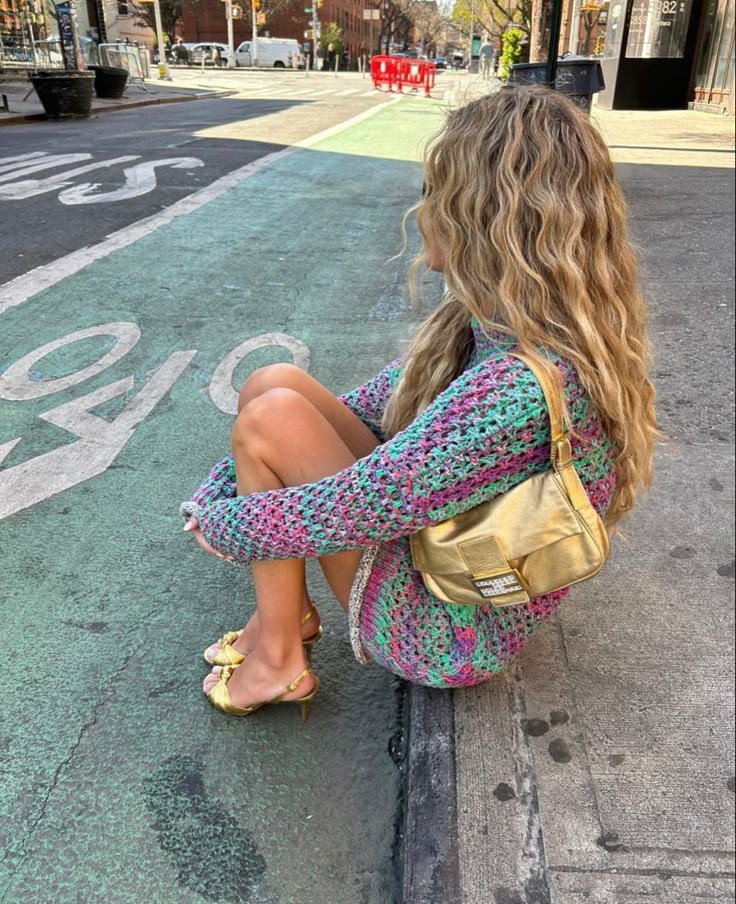
- The Fendi test. On an authentic Fendi Baguette, the FF clasp has a specific weight and click that’s almost impossible to counterfeit. If you’ve ever held a real one, you’ll recognise the difference immediately.
Serial Numbers and Date Codes — Your Secret Weapon
Every major designer house uses some form of internal identification, and knowing where to find it (and what it should look like) is one of the fastest ways to authenticate a vintage designer bag.
Chanel
Chanel bags produced after 1986 include a serial number sticker inside the bag — a white sticker with gold text, protected by a clear plastic seal. The number format corresponds to the production year. A vintage Chanel bag serial number guide is essential here: for example, serial numbers beginning with 3 correspond to 1994–1996, while numbers beginning with 5 indicate 1997–1999. If the sticker is missing, peeling, or printed in a font that looks off, investigate further.
Louis Vuitton
Louis Vuitton uses date codes — a combination of letters and numbers stamped into the leather interior. The letters indicate the factory location, and the numbers indicate the production date. For example, a date code reading “SP0997” means the bag was made in France in September 1997. Knowing how to spot a fake Louis Vuitton starts here — counterfeiters frequently get the date code format wrong or stamp it in the wrong location.
Fendi
Fendi bags feature a hologram tag (post-2000s) or a simple serial number on an interior leather tab (earlier pieces). The font, spacing, and placement are consistent across authentic pieces. If the tag looks like it was printed on a home inkjet — walk away.
The Smell Test (Yes, Really)
This sounds eccentric, but it works. Authentic vintage leather has a rich, warm, slightly earthy scent that develops over decades. It smells like quality.
Fake leather — or bonded leather, or PVC pretending to be leather — smells chemical, plasticky, or oddly sweet. If a “vintage Chanel” smells like a new shower curtain, she’s not who she says she is.
When in Doubt, Ask an Expert
Even seasoned collectors get stumped sometimes. If you’re spending €300 or more on a vintage piece, professional authentication is worth every cent. Services like Entrupy (AI-based, used by major resellers) and Real Authentication offer detailed reports for €20–€50.
Or — and we say this with the quiet confidence of people who’ve rejected 95% of the bags we’ve examined — you could shop somewhere that’s already done the work for you. Every bag at Vintage Reverie is hand-inspected, condition-graded, and authenticated before it ever reaches our shelves. We don’t list a bag unless we’d carry it ourselves.
Frequently Asked Questions
How can I authenticate a vintage Chanel bag at home?
Check the serial number sticker (white with gold text, post-1986), examine the quilting alignment at seams, test the hardware weight, and verify the chain strap’s leather weave is consistent. When in doubt, use a professional authentication service.
Are vintage designer bags worth buying if I can’t verify them in person?
Yes — but only from sellers who provide detailed photos, provenance information, and authentication guarantees. Avoid listings with stock photos, vague descriptions, or no return policy.
What’s the difference between vintage and pre-owned designer bags?
Vintage typically refers to pieces that are 20+ years old — they carry historical and stylistic significance beyond their brand name. Pre-owned simply means previously owned, regardless of age. A 2022 Gucci bag is pre-owned; a 1997 Fendi Baguette is vintage. The distinction matters for pricing, collectibility, and character.
Ready to skip the detective work? Browse our authenticated vintage collection →
Every bag in our shop has already passed the tests above — and about forty more we haven’t told you about. Because some secrets are worth keeping.
Published on Vintage Reverie · vintagereverie.com/blog